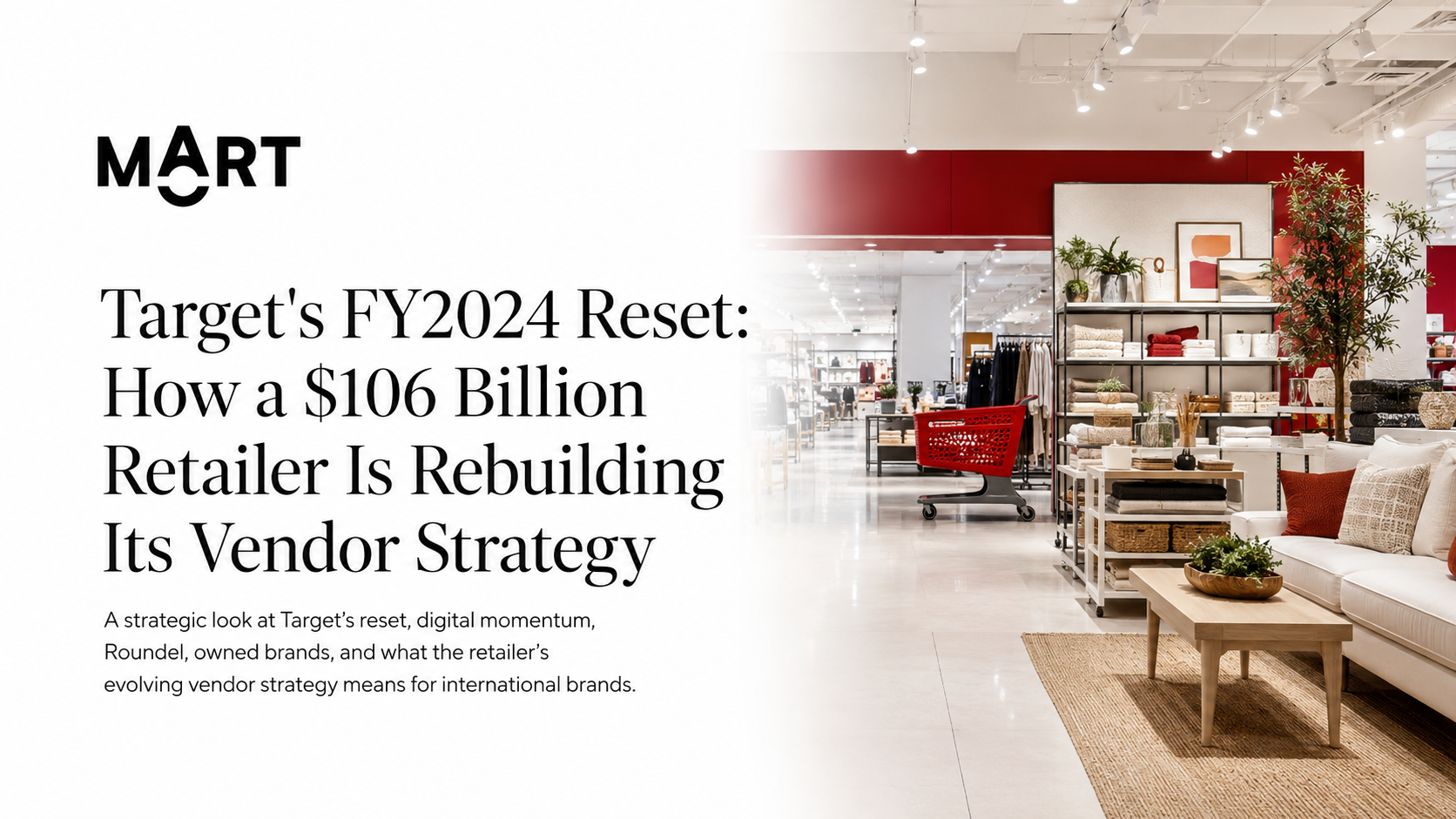
Target closed fiscal year 2024 with total revenue of $106.6 billion, a decline of approximately 0.8 percent from the prior year, and comparable sales declining 0.8 percent. The headline numbers describe a retailer that is in a strategic reset. The actions Target is taking in response provide one of the clearest windows into how a top tier US retailer rebuilds vendor strategy after a soft cycle.
The macro context. Discretionary categories, which represent approximately half of Target's sales mix, were under sustained pressure across the year. The consumer environment, particularly for households earning less than $80,000 annually, shifted toward essential consumables and away from apparel, home, hardlines, and seasonal goods. Target's heavier exposure to discretionary categories meant the company felt the consumer pullback more acutely than competitors weighted toward food and consumables.
The strategic response. Target leadership announced a multi year strategic plan in March 2025 targeting $15 billion in incremental sales over the following five years. The plan centers on three pillars, accelerating innovation across owned brands and partner brands, elevating the digital and in store experience, and expanding the marketing and media ecosystem. For vendors, these pillars translate into specific changes in how Target works with partner brands.
Digital growth as a bright spot. Digital comparable sales grew 8.7 percent in the fourth quarter, with Drive Up and Order Pickup continuing to be the most efficient and highest satisfaction fulfillment channels. Same day services now represent approximately $8 billion in annual revenue. For vendors with omni channel ambitions, Target's digital infrastructure remains one of the strongest available in the mass channel.
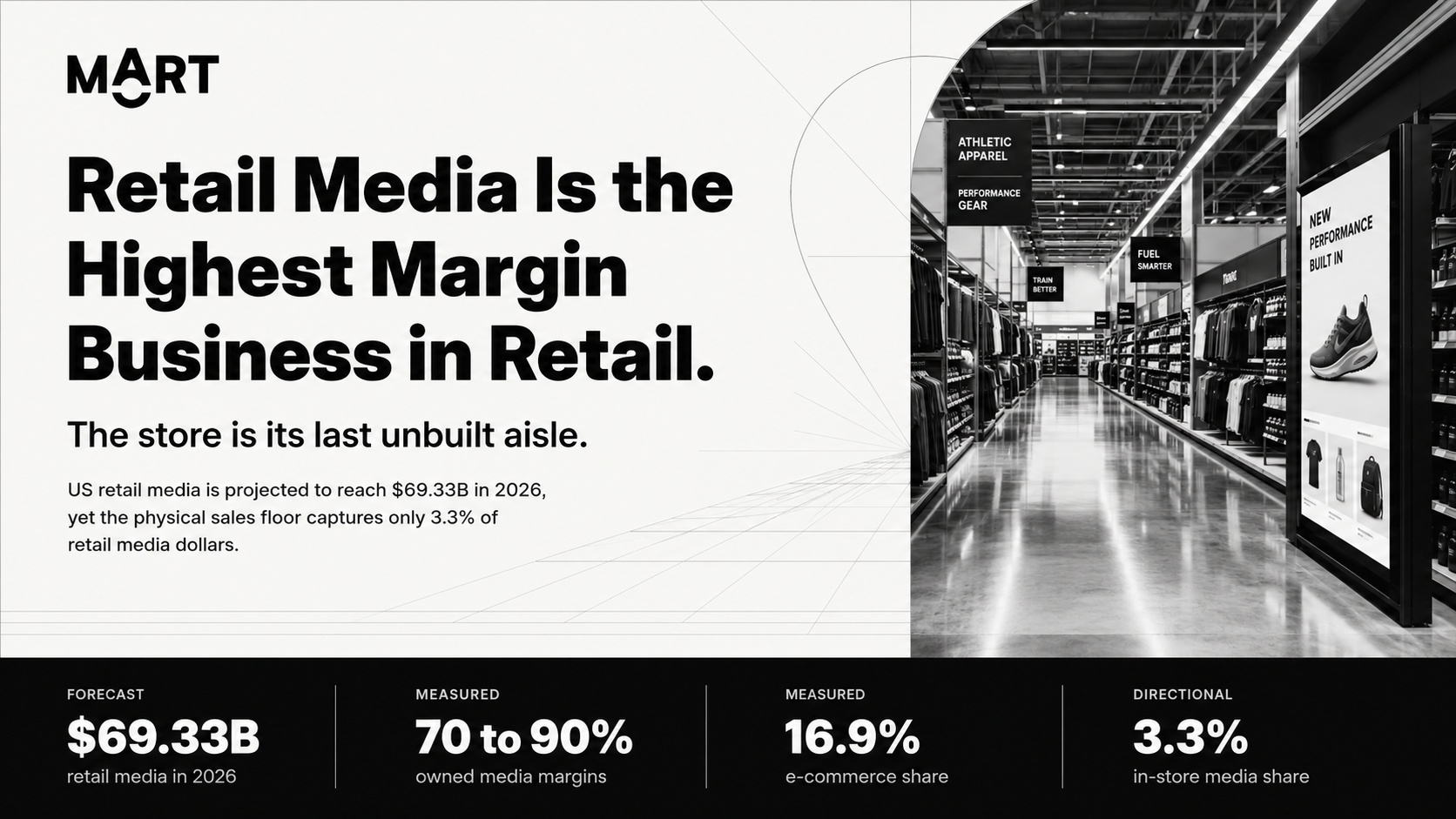
Roundel, the advertising platform. Roundel, Target's retail media network, continued to grow at a pace ahead of the broader business. The platform now represents a meaningful contributor to operating income and is increasingly integrated into how brands plan their Target trade calendar. Brands that allocate ten to fifteen percent of trade investment to Roundel placements are seeing measurable comparable lift on the specific SKUs supported.
Owned brand and partner brand strategy. Target's owned brand portfolio, including Good and Gather, Cat and Jack, Threshold, and others, now generates more than $30 billion in annual revenue. The owned brand strategy is a strength of the Target model, but it also raises the bar for partner brands. To earn shelf space in 2025 and 2026, partner brands need to bring genuine differentiation, not just an alternative to an owned brand line, but a reason for the guest to choose the branded option.
What this means for international brands. Target's reset creates an opportunity for brands that can move quickly. The retailer's emphasis on innovation, design, and discovery favors brands with distinct identity and strong design language. The bar for operational excellence remains high, and the trade investment expectations remain meaningful, but the buyers are actively scouting for brands that can refresh discretionary categories. For international brands entering the United States, the message is that Target wants the next wave of differentiated category disruptors, and the door is open if the product matches what the guest is looking for.