Brand marketing teams are finalizing 2026 budget allocations in identifiable patterns. The shifts from 2025 to 2026 reflect what has worked, what has not worked, and the new channels and tactics that have matured enough to justify experimentation. The allocation framework below reflects what top brands are doing as 2026 budgets are finalized, with the recognition that the right answer for any specific brand depends on category, stage, and competitive context.
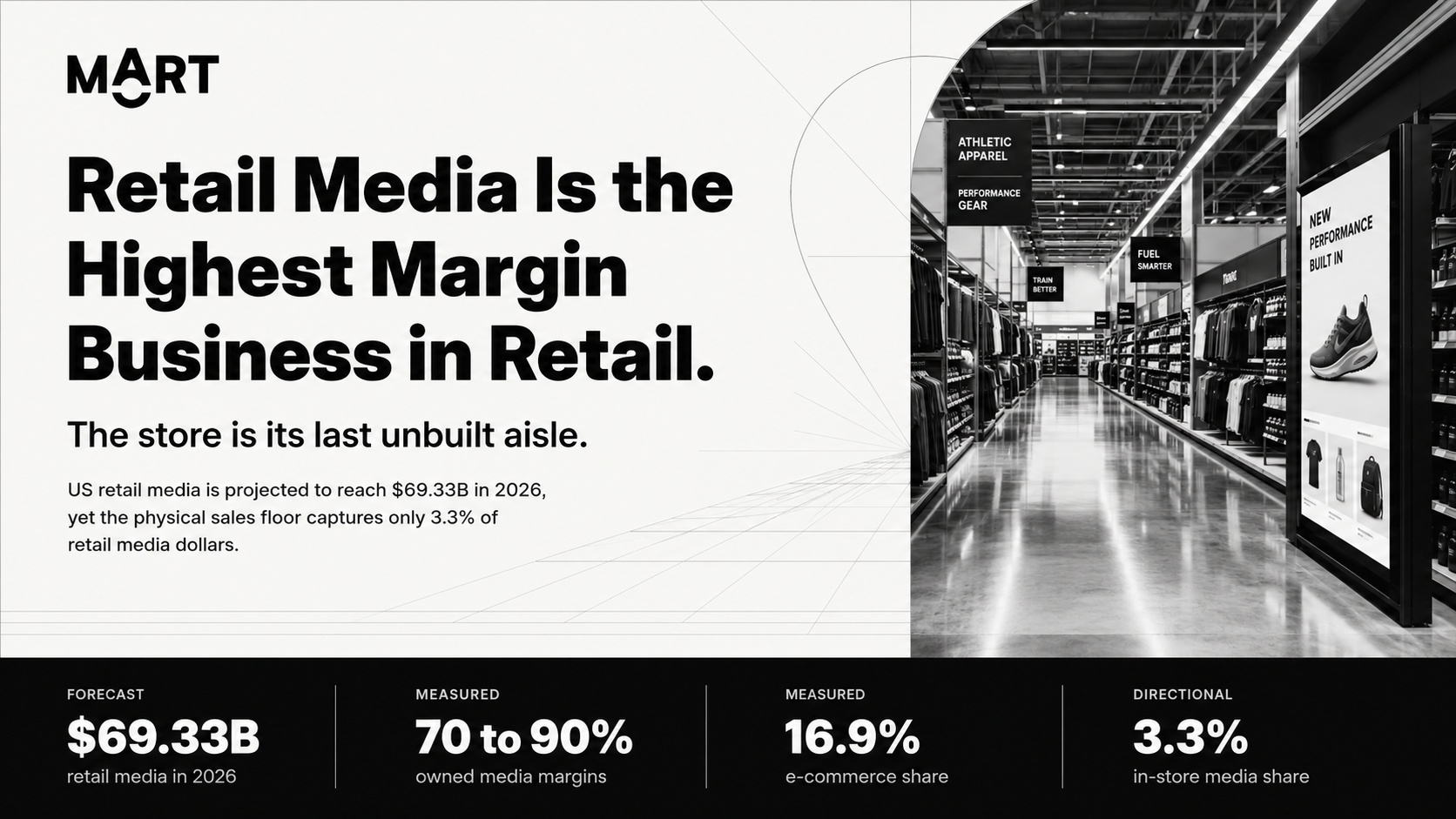
The big picture shifts for 2026. Retail media budgets are growing as a share of total marketing, particularly for brands selling at Walmart, Amazon, Target, and Kroger. Influencer budgets are growing but the spend mix is shifting toward verticalized mid tier creators and away from broad reach macro creators. Traditional advertising (TV, print) continues to decline as a share, particularly for brands with shopper bases skewing younger. Digital display and programmatic continue to grow at moderate rates, with increasing emphasis on connected TV and audio.
Retail media share of marketing budget (CPG brand)~20 to 30 percent in 2026 (up from ~15 to 25 percent in 2025)Influencer share of marketing budget (typical)~10 to 20 percent (stable but shifting mix)Traditional advertising share (TV, print)declining, especially for younger skewing brandsProgrammatic digital sharestable to slightly upConnected TV and audiogrowing materiallyShopper marketing and in storestablePublic relations and earned mediaflat to slightly up
The retail media allocation logic. Within retail media budgets, the allocation across platforms continues to consolidate around the three largest platforms (Amazon, Walmart Connect, Target Roundel) with secondary allocation to Kroger Precision Marketing, Best Buy Ads, and selected emerging platforms. The brands that achieve the best retail media ROI in 2026 are typically the brands that build platform specific capability rather than running the same playbook across all platforms.
The influencer mix shift. The 2026 influencer mix continues to shift toward mid tier creators (100,000 to 1 million followers) and away from macro creators. The reasons are both economic (mid tier creators offer better cost per engagement) and effectiveness (mid tier creators often have more genuine audience relationships). Within the mid tier segment, the focus is shifting toward verticalized creators with category specific expertise rather than generalist lifestyle creators.
The connected TV and audio growth. Connected TV (streaming services with advertising tiers, including Netflix, Disney Plus, Amazon Prime Video) continues to grow as a share of brand marketing budgets in 2026. The targeting capability, the measurement infrastructure, and the audience scale have all matured to the point where CTV is a legitimate channel for brand awareness and reach. Audio (podcasts, music streaming) is following a similar growth trajectory, particularly for brands targeting specific audience segments.
The traditional advertising decline context. Traditional TV and print continue to decline as a share of brand marketing budgets, but the decline is not uniform. Brands with shopper bases skewing older (50 plus) often maintain meaningful traditional advertising allocation because the channel still reaches the relevant audience efficiently. Brands with younger shopper bases (Millennial and Gen Z) continue to shift away from traditional advertising at faster rates.
The shopper marketing baseline. Shopper marketing and in store activation remain a stable foundation of brand marketing investment, with the spend concentrated around new item launches, promotional periods, and seasonal peaks. The integration of shopper marketing with retail media and digital tactics continues to mature, with leading brands operating these channels as a coordinated program rather than separate budgets.
The earned media and public relations role. Earned media and public relations spend is generally flat to slightly up in 2026, reflecting the continued importance of editorial coverage and brand reputation in the broader marketing mix. The brands that achieve the strongest earned media outcomes typically integrate PR with the founder narrative and the product launch calendar.
MOART perspective. The 2026 marketing budget allocation question deserves explicit framework discipline rather than incremental adjustments to the 2025 budget. For brands planning 2026 marketing investment, the right starting point is a clean sheet allocation across channels with explicit ROI hypotheses, followed by a reconciliation against the prior year that identifies what is changing and why. The brands that operate this discipline typically end up with budgets that look meaningfully different from prior year, while the brands that adjust incrementally typically miss the channel shifts that compound over multiple years.