Target reported FY2026 full year revenue of approximately $108 billion, with the reinvention strategy producing measurable comp sales improvement and the alternative revenue businesses (Roundel, services) continuing to scale. The full year results validate the multi year reinvention thesis and set up FY2027 as the year the strategy moves from execution mode to scaling mode across the five pillar framework the company outlined to investors.
The full year scorecard. Comparable sales grew approximately low single digits for the year, with sequential improvement across the quarters as the reinvention pillars compounded. Owned brand portfolio continued to grow as a share of revenue, now approaching thirty percent. Digital channel grew at high single digits, with the same day services business contributing meaningfully. Roundel advertising revenue grew approximately twenty five percent. The partnership strategy continued to expand with the Ulta Beauty at Target footprint and selected new partnerships.
Total revenue~$108 billionComparable sales growth (full year)low single digitsOwned brand portfolio share~30 percentDigital channel growthhigh single digitsSame day services growthsolid double digitsRoundel advertising revenue growth~25 percent year over yearOperating marginmid to high single digits
The reinvention pillars two years in. The five reinvention pillars outlined to investors are each producing measurable results. Owned brand acceleration continues, with the portfolio approaching thirty percent of revenue and the buyer office maintaining the discipline to extend owned brand into adjacent categories. Store as fulfillment center capability continues to mature, with same day services scaling and the operational economics improving. Partnership strategy continues to expand, with Ulta Beauty at Target and Disney shops driving incremental trip frequency. Services growth, particularly Shipt and same day delivery, continues at solid double digits. Roundel advertising platform continues to grow at strong rates and is increasingly integrated into the broader category review process.
The FY2027 strategic positioning. Target enters FY2027 with the reinvention pillars producing results in concert for the first time. The strategic question for FY2027 is whether the company can sustain the comp sales improvement and continue to expand the alternative revenue businesses without margin pressure from continued investment in store experience, supply chain, and Roundel platform capability. The early FY2027 outlook is constructive, with the management team committed to continued investment in the pillars that are working.
The owned brand portfolio implications. The owned brand portfolio at approximately thirty percent of revenue is now a structural element of Target's category strategy across virtually every aisle. For national brands, the implications are clear and have been discussed in prior MOART briefings: positioning above the owned brand tier with defensible differentiation is the winning strategy, positioning at parity or below the owned brand tier is the losing strategy. The FY2026 results reinforce these dynamics rather than changing them.
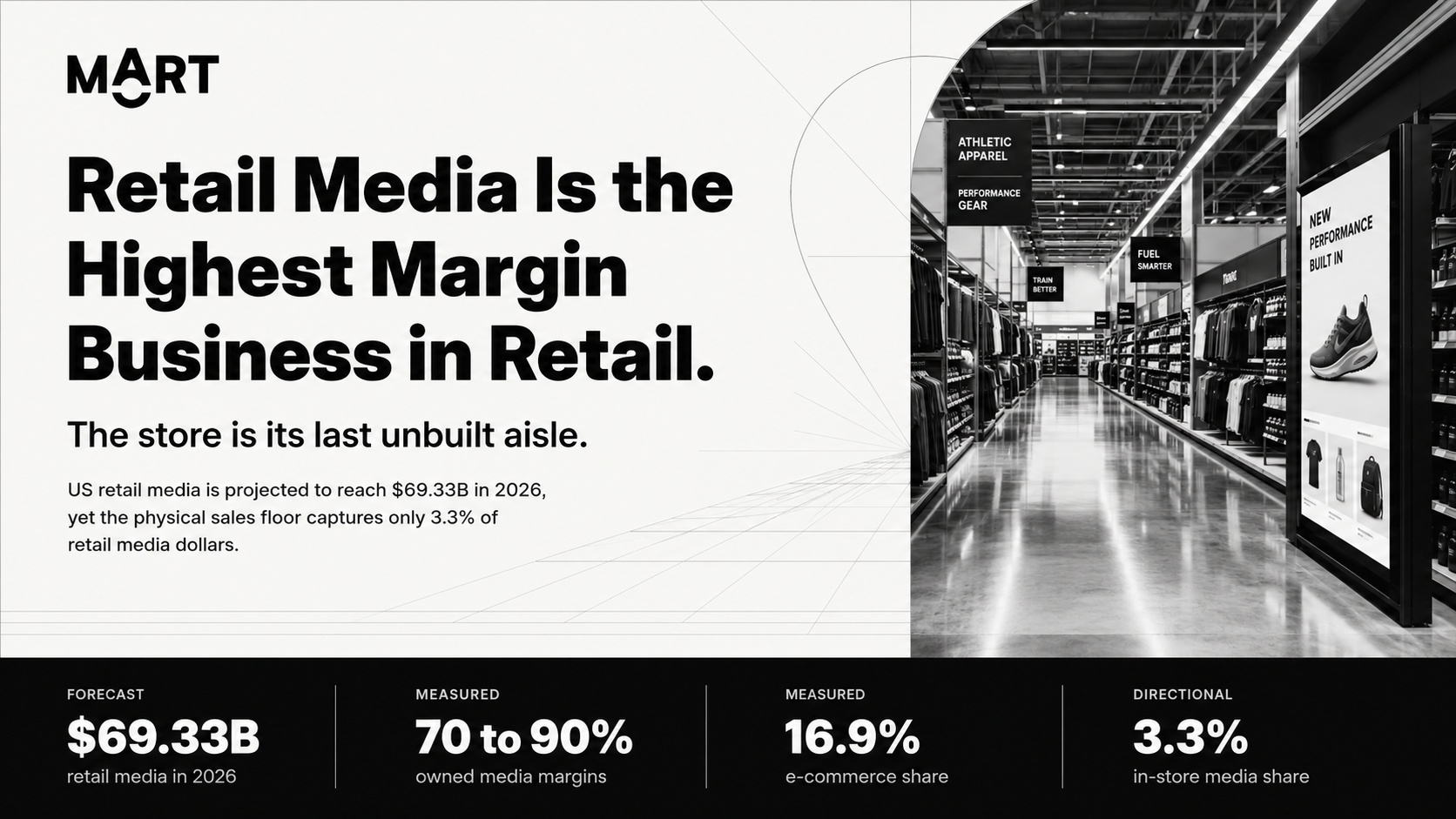
The Roundel strategic positioning. Roundel's continued growth at approximately twenty five percent annually positions the advertising business as a meaningful structural contributor to operating profit. The platform's measurement infrastructure continues to mature, and the integration with the broader category review process means that brands' Roundel investment increasingly informs the buyer's view of the brand's commitment to Target. For brands selling at Target, the Roundel investment is a foundational element of the trade plan, not an optional marketing addition.
The same day services context. Same day delivery (through Shipt), same day pickup, and the broader same day capability set continue to grow as a meaningful contributor to digital channel performance. The economics of same day services have improved with operational scale, and the shopper engagement with same day services drives both incremental revenue and incremental trip frequency. For brands selling at Target, the same day shopper preferences are a relevant input to category strategy, particularly for grocery and household essentials categories.
The vendor implications for FY2027. Three actions for brands at Target for FY2027. First, position the brand clearly relative to the owned brand portfolio in the category, with defensible differentiation that the buyer can defend. Second, treat Roundel as a foundational trade plan element, not an optional marketing line. Third, consider the partnership and shop in shop strategy carefully, recognizing that Target's continued investment in partnerships creates both incremental opportunity and competitive intensity.
MOART perspective. Target FY2026 validates the reinvention thesis and sets up FY2027 as the year the strategy scales. For brands considering Target as a North American retail entry in FY2027, the conversation should center on which reinvention pillar the brand reinforces and how the brand fits the evolving Target shopper experience. The brands that succeed at Target in FY2027 will be the brands that build their go to market strategy around the reinvention context, not the brands that approach Target as a traditional mass channel customer.