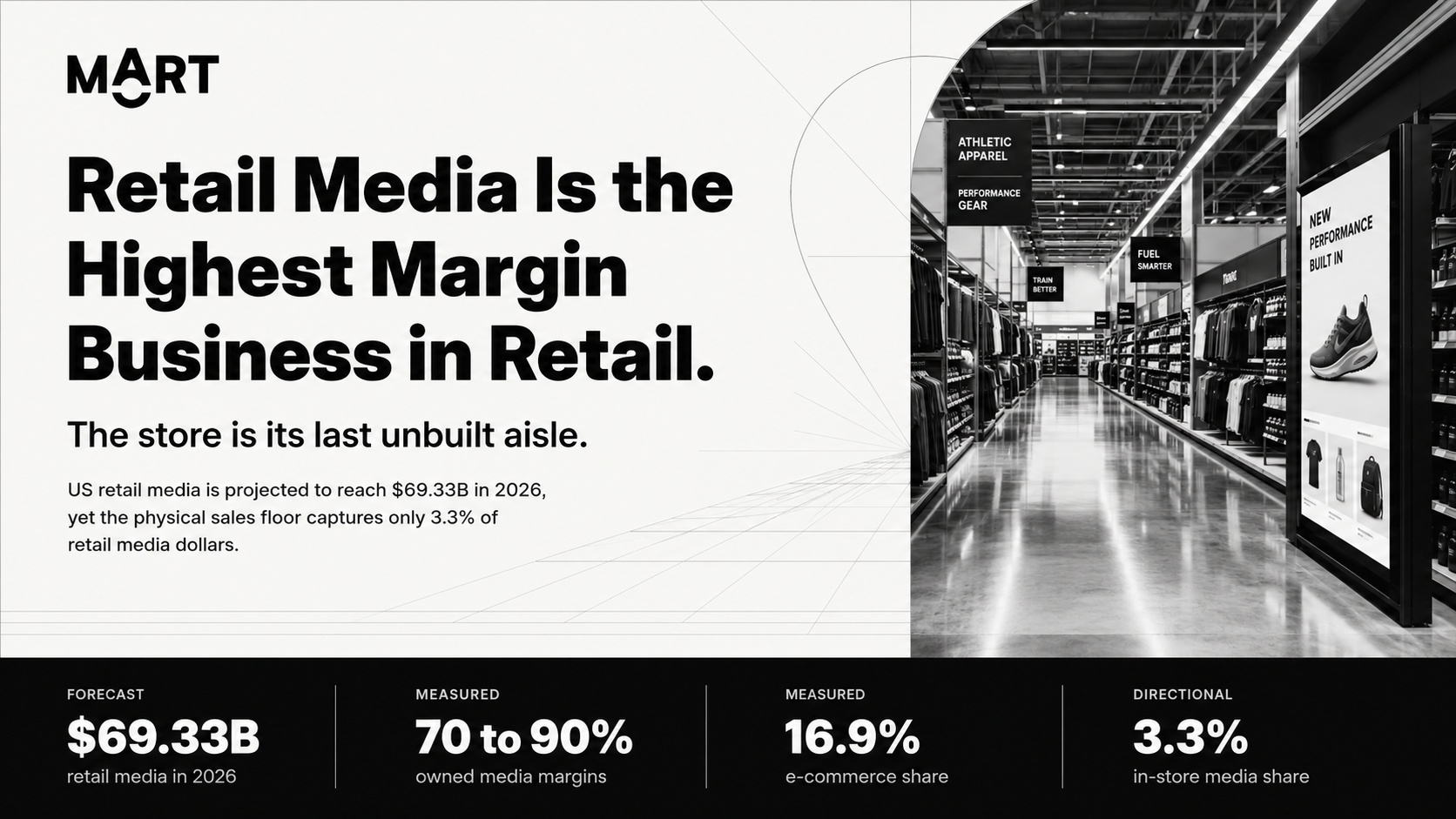
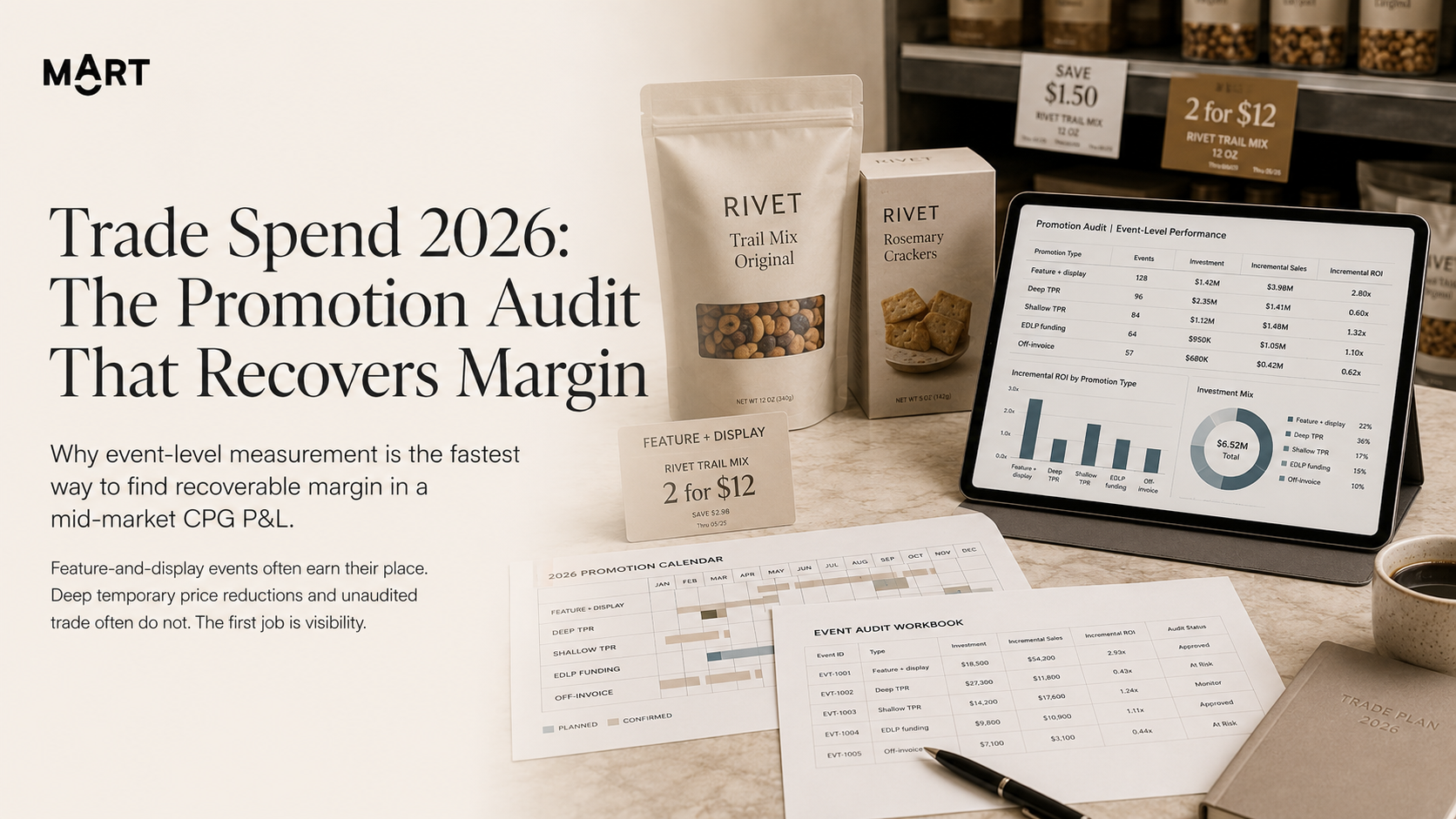
As businesses increasingly dominate the global e-commerce landscape, some entrepreneurs may wonder whether traditional offline channels still matter. The truth is offline channels remain a powerful, profitable force in today's marketplace. While online shopping continues to grow, offline channels has stood the test of time, proving essential for consumer engagement, brand trust, and long-term revenue growth. Ignoring this key sales channel means losing out on a significant portion of the global retail market.
MOART Group help businesses bridge the gap between online success and offline channels success. This includes building strategic retailer partnerships, mastering offline marketing, and tapping into physical retail channels across North America. We understand the urgency of staying competitive in a multichannel world. If your business isn’t capitalizing on offline channels, you risk falling behind competitors who are already profiting from the advantages it offers. In this article, we'll explore why incorporating offline retail is a game-changer for Chinese brands and how it can amplify growth, brand trust, and revenue potential.
Despite the rapid growth of online shopping, offline channels sales continue to dominate the global retail market. According to Statista, in 2022, 81% of retail sales in the U.S. Were still made in physical stores. Globally, 76% of all retail sales are projected to remain offline through 2028, amounting to $21.9 trillion annually (Forrester). These numbers reveal that while online shopping is growing, offline channels still hold a massive share of the market, especially in key Western economies.

Businesses entering global markets through offline channels must understand the dynamics of their industry and the role offline retail plays in driving growth. Below is a breakdown of offline retail’s importance across several key industries, where offline interactions significantly boost sales and brand trust.
Offline Channels remains the primary driver for luxury goods and high-fashion brands. This sector thrives on sensory experiences, where customers appreciate the opportunity to touch, try on, and engage with products in person. For brands like Louis Vuitton and Gucci, offline retail stores are more than just points of sale, they are immersive brand experiences that build long-term loyalty. Luxury consumers expect in-store experiences that communicate exclusivity, attention to detail, and craftsmanship, all of which justify premium pricing.